

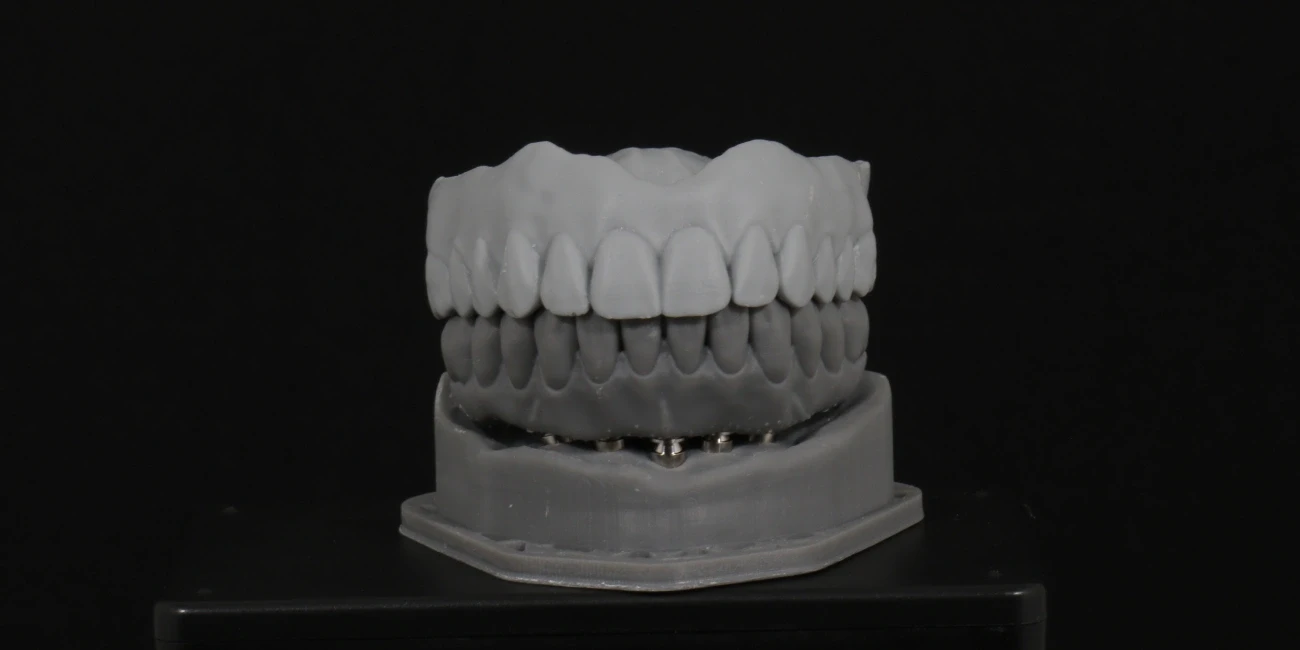
Bruxism: Causes, Symptoms and Treatment at the Rita Trindade Spa
Translation (Portuguese → English):
Bruxism: Understand the Causes, Recognize the Symptoms, and Discover Advanced Treatments at Rita Trindade Medical Dental Spa
Bruxism goes beyond the simple act of grinding the teeth; it is a medical condition with the potential to significantly impact oral health and quality of life. Estimates indicate that a considerable portion of the population experiences bruxism at some point, often unconsciously. This article aims to clarify the nature of bruxism, its multifactorial causes, warning signs, possible consequences, and the state-of-the-art therapeutic approaches available at the Rita Trindade Medical Dental Spa.
Bruxism: A Specialized Definition
Bruxism is defined as a functional disorder characterized by involuntary clenching or grinding of the teeth. This parafunctional activity can occur both during wakefulness (awake bruxism) and during sleep (sleep bruxism), the latter being more prevalent. During these episodes, the forces exerted on the masticatory muscles, periodontal tissues, and adjacent structures can reach considerable magnitudes.
Complex Etiology and Risk Factors of Bruxism
The genesis of bruxism is multifaceted, involving a complex interaction of various factors that may predispose to or exacerbate the condition:
Chronic Stress and Anxiety: Recognized as major triggers, stress and anxiety inherent to contemporary lifestyles may find a physical outlet through masticatory parafunction.
Underlying Sleep Disorders: There is a strong association between sleep bruxism and other sleep disorders, notably obstructive sleep apnea, characterized by interruptions in breathing during sleep.
Unfavorable Dental Occlusion: Dental misalignment (malocclusion) may act as a contributing factor to bruxism by creating occlusal instability and the need for unconscious adjustments.
Genetic Predisposition: Scientific evidence suggests a possible genetic predisposition to bruxism. Individuals with a family history of the condition may be more susceptible.
Lifestyle Influences and Substance Use: The consumption of stimulating substances such as caffeine, alcohol, and tobacco has been consistently linked to the worsening of bruxism episodes.
Recognizing the Signs and Symptoms of Bruxism
Identifying bruxism can be challenging, especially when it occurs exclusively during sleep. Careful observation of the following signs and symptoms is crucial:
Pathological Occlusal Wear: One of the most objective indicators of bruxism is atypical wear of tooth surfaces, which may progress to wear facets, fractures, and dentin exposure, resulting in sensitivity.
Recurrent Tension-Type Headaches: Many patients with bruxism report morning headaches of tension origin, often located in the temporal region.
Pain and Dysfunction of the Temporomandibular Joint (TMJ): Pain, stiffness, or crepitus in the jaw—features of temporomandibular disorder (TMD)—are common complaints. There may be difficulty chewing or limited mouth opening.
Audible Nocturnal Teeth Grinding: Reports of audible teeth grinding by a sleep partner are a strong indication of sleep bruxism.
Non-Otogenic Otalgia: Referred pain in the ear region, in the absence of infection or other otologic causes, may be associated with muscle tension resulting from bruxism.
Systemic Implications of Untreated Bruxism
Neglecting bruxism can lead to a range of complications affecting both oral health and overall well-being:
Irreversible Deterioration of Dental Structure: Progressive wear can lead to flattening, fracture, or chipping of teeth, in addition to exacerbating sensitivity to thermal and tactile stimuli.
Exacerbation of TMJ Problems: Continuous parafunctional activity may trigger or worsen temporomandibular joint dysfunction, resulting in chronic pain, limited movement, and joint noises.
Impaired Sleep Quality: Bruxism can fragment sleep, leading to daytime fatigue, excessive sleepiness, and other sleep disturbances.
Significant Psychosocial Impact: Persistent pain and discomfort may contribute to increased emotional stress, anxiety, and irritability, establishing a vicious cycle that can intensify bruxism.
Cutting-Edge Therapeutic Approaches for Bruxism at Rita Trindade Medical Dental Spa
At Rita Trindade Medical Dental Spa, we adopt a comprehensive and individualized therapeutic approach to bruxism, offering a range of options for effective symptom management and identification of underlying causes:
Customized Myorelaxant Occlusal Splints: Custom-made with biocompatible materials, these interocclusal appliances aim to protect teeth from wear, promote muscle relaxation, and reposition the jaw, being particularly effective for sleep bruxism.
Stress and Anxiety Management Strategies: We incorporate behavioral therapies and relaxation techniques such as mindfulness and biofeedback, which are crucial for patients whose bruxism is intrinsically linked to emotional factors.
Precise Occlusal Adjustment: Through meticulous procedures, we correct occlusal interferences that may be contributing to bite instability and, consequently, to bruxism.
Specialized TMJ Physiotherapy: Specific therapeutic exercise programs are prescribed to relieve muscle tension in the jaw region, improve range of motion, and reduce pain associated with temporomandibular dysfunction.
Selective Pharmacotherapy: In specific cases, medications may be considered for acute pain relief, muscle relaxation, or the treatment of comorbid conditions such as anxiety and sleep disorders.
Integrated Treatment of Sleep Disorders: In collaboration with sleep medicine specialists, we address sleep disorders associated with bruxism, such as obstructive sleep apnea, with interventions like CPAP (continuous positive airway pressure).
Exclusive Care Differentials at Rita Trindade Medical Dental Spa
Our commitment is to provide an exceptional care experience, ensuring that each patient receives personalized, high-quality treatment:
Multidisciplinary Team of Specialists: Our team includes dentists with expertise in various areas, including temporomandibular disorders and orofacial pain, ensuring an integrated and comprehensive approach to bruxism.
State-of-the-Art Diagnostic Technology: We employ advanced technological resources for precise diagnosis, such as electromyography (EMG) to assess masticatory muscle activity and digital occlusal analysis software.
Individualized, Patient-Centered Treatment Plans: Each therapeutic plan is meticulously designed to meet the needs and specificities of each patient, aiming for effective and long-lasting results.
Continuous Therapeutic Follow-Up: We provide regular and attentive follow-up to monitor treatment progress and make necessary adjustments to optimize long-term outcomes.
Wellness and Comfort Environment: Rita Trindade Medical Dental Spa offers a welcoming and relaxing environment, aiming to minimize anxiety and enhance the treatment experience.
Invest in Your Oral Health and Quality of Life with Specialized Bruxism Treatment at Rita Trindade Medical Dental Spa
Bruxism is a complex condition that requires a specialized diagnostic and therapeutic approach. Early identification of signs and seeking appropriate treatment are fundamental steps to prevent future complications and significantly improve quality of life. At Rita Trindade Medical Dental Spa, we are committed to offering personalized and effective solutions for bruxism, integrating clinical expertise, cutting-edge technology, and a distinctive care environment.
Schedule a consultation with us for a detailed evaluation and discover how our specialized approach can help you control bruxism, protect your oral health, and restore your overall well-being.
