

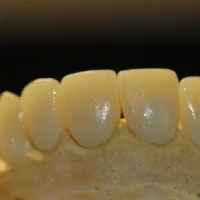
Dental Implants: The Premium Choice for Oral Rehabilitation and Their Benefits
Tooth loss is a significant event that goes far beyond the aesthetics of a smile, impacting oral functionality and overall quality of life. In the search for long-lasting and effective solutions, dental implants have emerged as an outstanding option in modern dentistry.
Here, we will detail the precise indications for implants, the clinical protocol performed in the dental office, the different types available, their intrinsic benefits to oral health, and the crucial postoperative care required for long-term success.
Dental Implants: Essential for Comprehensive Oral Health
A complete and healthy smile is a pillar of self-confidence and plays a vital role in essential functions such as efficient chewing and clear speech articulation. The absence of one or more teeth can trigger a cascade of problems, including misalignment of neighboring teeth, progressive bone resorption in the jaw and maxilla, and even changes in facial harmony.
Dental implants offer a robust, long-term solution by acting as substitutes for lost tooth roots and providing a stable foundation for dental prostheses.
Precise Indications for Dental Implant Treatment
The decision to opt for dental implants is based on a thorough clinical evaluation. The main indications include:
Single Tooth Replacement:
In cases of isolated tooth loss, implants are the most conservative alternative, avoiding the need to grind down adjacent teeth, a common procedure in conventional fixed bridges.
Rehabilitation of Multiple Missing Teeth:
When several teeth are lost, implants can serve as strategic supports for fixed bridges, eliminating the need for extensive removable prostheses and preserving the integrity of remaining teeth.
Total Edentulism (Complete Tooth Loss):
For patients who have lost all teeth in one or both arches, implants provide secure and stable anchorage for full dentures, offering significantly greater comfort and restoring chewing and speech with confidence.
Stabilization of Removable Dentures:
Implants can be strategically placed to provide retention and stability for removable dentures (overdentures), minimizing discomfort and movement during daily use and significantly improving quality of life.
Advances in Types of Dental Implants
Modern dentistry offers different types of implants to meet the specific needs of each case:
Endosseous Implants:
The most common type, inserted directly into the jawbone. Made primarily of biocompatible titanium, they come in various designs (screw-shaped, cylindrical, conical) to optimize osseointegration.
Subperiosteal Implants:
Primarily indicated for patients with significant bone resorption that prevents the placement of conventional endosseous implants. These custom-made implants rest on the surface of the bone, beneath the gum tissue.
Zygomatic Implants:
An advanced solution for cases of severe bone deficiency in the upper jaw. These longer implants are anchored in the zygomatic bone (cheekbone), often eliminating the need for extensive bone grafting procedures.
Detailed Clinical Protocol for Dental Implants
Dental implant treatment is a carefully planned, step-by-step process:
Diagnostic Evaluation and Personalized Digital Planning:
The first phase involves a comprehensive clinical evaluation, complemented by high-precision imaging exams such as panoramic X-rays and CT scans. This detailed analysis assesses bone quality and quantity, identifies important anatomical structures, and allows for virtual planning of ideal implant positioning.
Implant Placement Surgery:
Performed under local anesthesia, with the option of conscious sedation for enhanced patient comfort, the surgery consists of precise implant insertion into the prepared bone site. This is followed by a crucial healing period—osseointegration—during which the bone biologically bonds to the implant surface, typically lasting three to six months.
Prosthetic Phase: Abutment Connection and Prosthesis Installation:
Once osseointegration is confirmed, a component called an abutment is connected to the implant. This abutment serves as the foundation for the definitive dental prosthesis, which may be a single crown, a fixed bridge, or a full denture.
Unmatched Benefits of Dental Implants for Oral Health
Dental implants offer advantages that go beyond simple tooth replacement:
Preservation of Bone Structure:
Unlike other treatment options, implants stimulate the alveolar bone, preventing the progressive bone loss that occurs after tooth loss and maintaining facial contour and soft tissue support.
Restoration of Efficient Chewing Function:
Implants provide a solid, stable base for artificial teeth, allowing efficient chewing of a wide variety of foods and contributing to better digestion and nutrient absorption.
Significant Improvement in Aesthetics and Self-Confidence:
With an appearance and feel very similar to natural teeth, implants restore smile aesthetics, positively impacting self-esteem and confidence in social interactions.
Durable and Reliable Solution:
Made from strong, biocompatible materials, dental implants have a high success rate and can last for many years when properly maintained, offering excellent long-term value.
Essential Postoperative Care for Implant Success
The long-term success of dental implant treatment depends largely on proper postoperative care:
Impeccable Oral Hygiene:
Maintaining a strict oral hygiene routine, including gentle brushing with soft bristles after meals and daily use of dental floss or interdental brushes, is crucial to prevent infections and ensure the health of tissues surrounding the implant.
Appropriate Diet During the Initial Phase:
In the first few days after surgery, a soft and cool diet is recommended, avoiding hard, crunchy, or very hot foods that could irritate the surgical area.
Regular Dental Follow-Up:
Follow-up appointments with the dentist are essential to monitor healing, evaluate implant integration, and perform professional maintenance, ensuring long-term success.
Healthy Habits:
Avoiding smoking is essential, as tobacco impairs healing and increases the risk of implant failure. A balanced diet also contributes to overall and oral health.
Excellence in Care at Rita Trindade Medical Dental SPA
At Rita Trindade Medical Dental SPA, dental implant treatment is delivered with the highest standard of excellence, offering patients:
Highly Qualified Multidisciplinary Team:
Our team includes specialists in implant dentistry, oral and maxillofacial surgery, and prosthodontics, dedicated to providing safe, effective, and personalized treatment.
State-of-the-Art Technology for Diagnosis and Planning:
We invest in cutting-edge equipment, such as Cone Beam CT scans and virtual planning software, to ensure accurate diagnosis and optimized surgical planning.
Sophisticated and Welcoming Environment:
Our space is carefully designed to provide a relaxing, stress-free experience, combining top-tier dental care with the comfort of a SPA setting.
Strict Biosafety Protocols:
Patient safety and health are our top priorities, and we follow rigorous hygiene and sterilization protocols at every stage of treatment.
Personalized and Humanized Care:
We understand that every patient is unique, and we take the time to listen, address concerns, and develop individualized treatment plans tailored to expectations.
Invest in Durability and Quality of Life with Dental Implants at Rita Trindade Medical Dental SPA
Dental implants represent a cutting-edge solution for tooth loss, offering significant benefits for oral health, smile aesthetics, and overall quality of life. By choosing treatment at Rita Trindade Medical Dental SPA, you are guaranteed specialized care in a comfortable environment supported by advanced technology. Schedule your consultation and discover how dental implants can transform your smile and oral health in a lasting and safe way.
